The Ultimate Guide to Cashless Payment Systems for South African Retirement Villages
Managing payments in retirement villages has always been a delicate balance. Residents deserve dignity and independence, while operators need systems that protect everyone and run smoothly. Cashless payment systems are transforming how South African retirement villages handle everything from tuck shop purchases to restaurant meals, creating safer environments without compromising the warm, community feel that makes a retirement village feel like home.
Why Cashless Systems Matter in Retirement Communities
Cash handling presents unique challenges in retirement villages. Residents may struggle with counting change or become targets for theft. Staff spend valuable time managing cash floats, reconciling tills, and making bank runs. Meanwhile, families worry about their loved ones carrying cash or forgetting wallet safety.
Cashless payment systems address these concerns while preserving resident autonomy. Modern solutions work seamlessly whether residents prefer cards, mobile payments, or account-based systems. The goal isn't to complicate daily life—it's to make transactions smoother and safer for everyone.
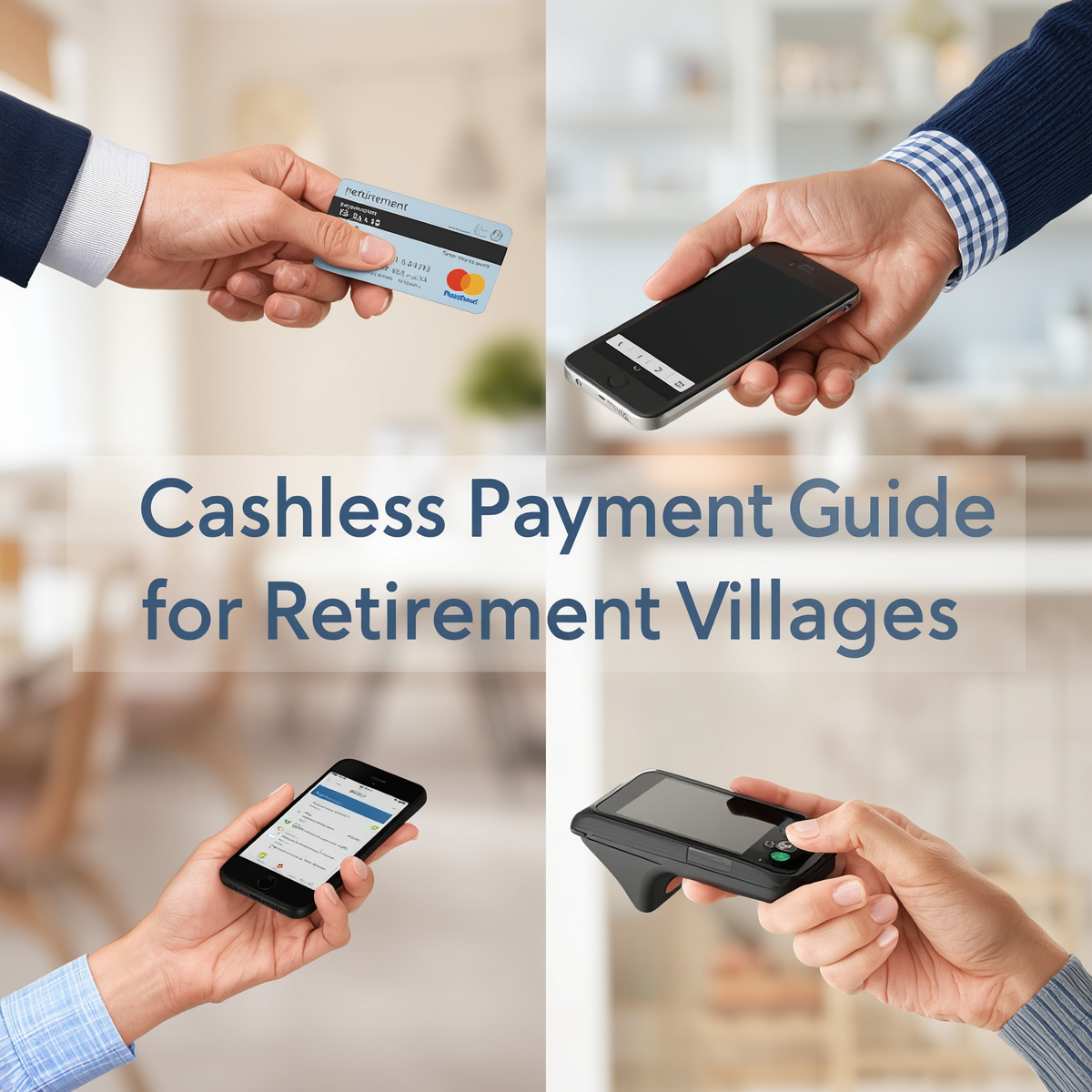
Types of Cashless Payment Systems
Card-Based Solutions
Traditional debit and credit card systems remain popular because they're familiar. Most residents already know how to use them, and the learning curve is minimal. However, card systems require reliable internet connectivity and point-of-sale terminals throughout your village.
Mobile Payment Platforms
Smartphone-based payments appeal to tech-comfortable residents. Solutions like SnapScan or Zapper work well for quick purchases, though they're not suitable for every resident or situation.
Account-Based Systems
Many retirement villages find success with internal account systems. Residents or families load funds onto accounts, which can be accessed via cards, wristbands, or even biometric systems. This approach offers maximum control while keeping transactions simple.
Key Benefits for Residents and Families
Cashless systems deliver genuine improvements to daily life. Residents enjoy faster service at restaurants and shops without fumbling for exact change. There's no worry about lost wallets or forgotten purses. Families gain peace of mind knowing their loved ones aren't carrying large amounts of cash.
The dignity aspect matters enormously. Nobody wants to feel embarrassed about taking time to count money or needing assistance with transactions. Cashless systems allow residents to maintain their independence while ensuring transactions remain private and efficient.
Operational Advantages for Village Management
From an operational perspective, cashless systems transform back-of-house processes. Kitchen staff can focus on food preparation rather than handling payments during busy meal times. Waste reduction improves because accurate payment tracking helps kitchen teams better predict demand and portion sizes.
Financial reconciliation becomes significantly easier. Instead of counting cash drawers and tracking down discrepancies, managers can review digital transaction reports. This accuracy extends to resident accounts—families can see exactly where money was spent, reducing billing queries and building trust.
Staff safety improves too. There's no cash to steal, no need for after-hours bank deposits, and no risk during shift handovers. These changes allow staff to focus on what matters most: caring for residents.
Implementation Considerations
Successful cashless implementation requires careful planning. Start by surveying residents about their comfort levels and preferences. Some may embrace new technology immediately, while others need gentle guidance and support.
Training is crucial—not just for staff, but for residents too. Consider hosting informal demonstration sessions where residents can try the system without pressure. Peer-to-peer learning often works better than formal training sessions.
Always maintain backup options during the transition period. Technical issues shouldn't prevent residents from accessing meals or services. Having contingency plans builds confidence and ensures smooth operations.
Real-World Success Story
At Sunset Manor in Cape Town, the transition to cashless payments initially met resistance from long-term residents. The management team introduced the system gradually, starting with optional use at the coffee shop. They provided individual tutorials and maintained cash options for six months.
Within a year, 95% of residents had embraced the cashless system. Tuck shop queues moved 40% faster, kitchen waste dropped by 15% due to better demand forecasting, and staff reported feeling much safer without cash handling responsibilities. Most importantly, residents appreciated the convenience and privacy the new system provided.
Addressing Common Concerns
Privacy worries are natural and valid. Ensure your chosen system complies with POPIA requirements and clearly communicate how transaction data is used and protected. Residents should feel confident their information remains secure.
Technology anxiety affects many seniors. Choose systems with intuitive interfaces and provide ongoing support. Consider appointing tech-savvy residents as informal mentors—peer support often works better than formal IT help.
Cost concerns matter to both operators and residents. While initial setup requires investment, operational savings typically offset costs within 18 months through reduced cash handling, improved accuracy, and decreased administrative overhead.
Future-Proofing Your Payment Strategy
Technology evolves rapidly, but good cashless payment systems grow with your community. Look for solutions that integrate with existing village management software and can accommodate new payment methods as they emerge.
Consider how systems will work as your resident population changes. Younger seniors entering retirement villages often expect seamless digital experiences, while maintaining simplicity for less tech-comfortable residents.
Regular system reviews ensure your solution continues meeting everyone's needs. Technology should adapt to your community, not the other way around.
Ready to explore cashless payment options for your retirement village? Our team understands the unique needs of South African retirement communities and can help you choose and implement systems that enhance both operational efficiency and resident satisfaction. Contact us today to discuss how cashless solutions can transform your village while preserving the dignity and independence your residents deserve.